New England Journal of Medicine Biology Diagrams
BlogNew England Journal of Medicine Biology Diagrams The alveoli enable the oxygen to be transferred into the blood. Once it is in the blood, transportation of oxygen around the body begins. Only a small amount of oxygen is transported in the plasma of the blood because oxygen does not dissolve easily in water. The rest of the oxygen is transported after combining with the hemoglobin in red blood Some general comments about gas exchange and diffusion will be made, followed by a description of how oxygen is carried in the blood. The binding of oxygen to hemoglobin will be discussed, including the oxygen saturation (or dissociation) curve and factors (allosteric effectors) which cause it to shift. Next, a discussion of the effects of carbon monoxide on oxygen binding will be presented

Transport of Oxygen. Oxygen is transported in the blood in two ways: Dissolved in the blood (1.5%); Bound to haemoglobin (98.5%); Bound to Haemoglobin. Once oxygen has entered the blood from the lungs, it can be bound by haemoglobin (Hb) in the red blood cells.. Haemoglobin is a protein comprised of four subunits: two alpha subunits and two beta subunits.Each subunit has a haem group in the

How Is Oxygen Transported Around the Human Body? Biology Diagrams
Human respiratory system - Oxygen Transport, Lungs, Airways: Oxygen is poorly soluble in plasma, so that less than 2 percent of oxygen is transported dissolved in plasma. The vast majority of oxygen is bound to hemoglobin, a protein contained within red cells. Hemoglobin is composed of four iron-containing ring structures (hemes) chemically bonded to a large protein (globin).
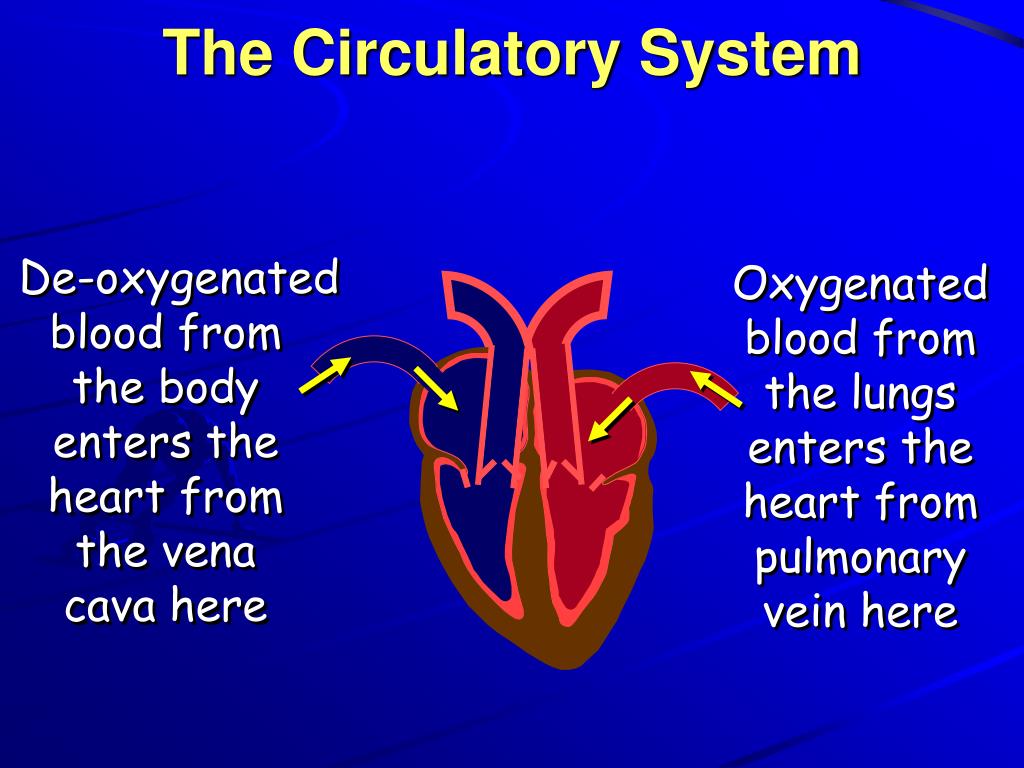
Oxygen Transport In The Body. Oxygen enters the lungs and diffuses across the alveolar membrane into the bloodstream, driven by the partial pressure gradient between inhaled air and deoxygenated blood. Hemoglobin, a protein in red blood cells, binds oxygen efficiently, allowing the blood to transport far more than would be possible through
BJA Education - Oxford Academic Biology Diagrams
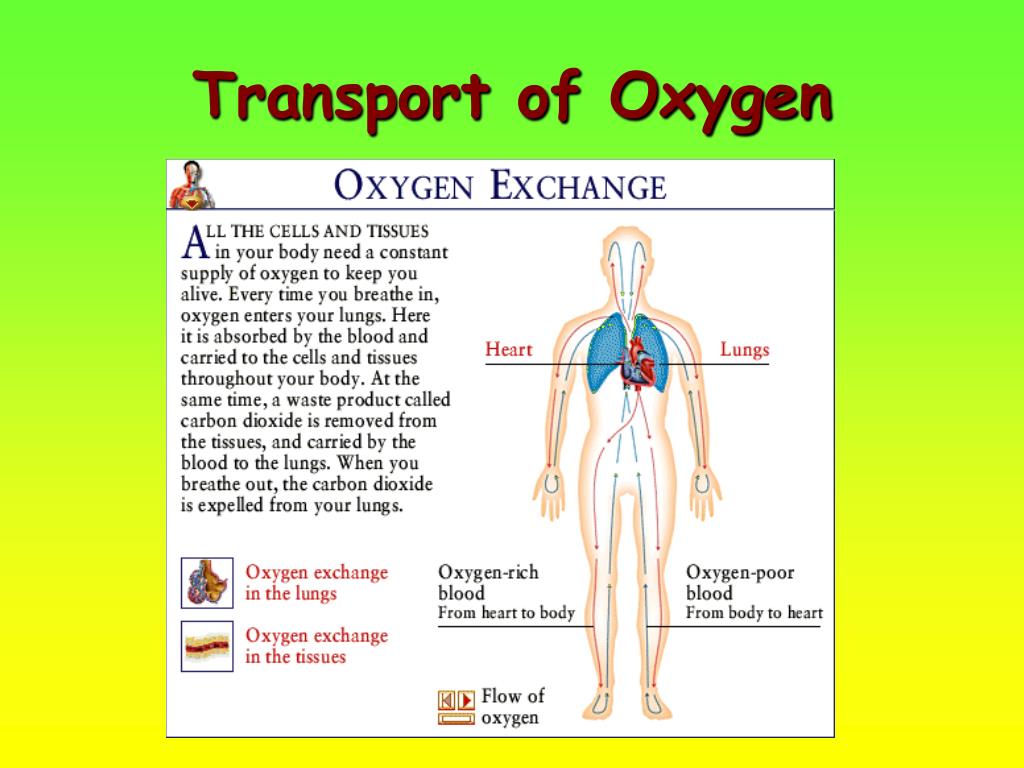
Carbon dioxide is exhaled and oxygen is inhaled through the respiratory system, which includes muscles to move air into and out of the lungs, passageways through which air moves, and microscopic gas exchange surfaces covered by capillaries. The circulatory system transports gases from the lungs to tissues throughout the body and vice versa. Factors That Affect Oxygen Binding. The oxygen-carrying capacity of hemoglobin determines how much oxygen is carried in the blood. In addition, other environmental factors and diseases can also affect oxygen-carrying capacity and delivery; the same is true for carbon dioxide levels, blood pH, and body temperature.

Oxygen transport within the human body occurs through both convection and diffusion. Within the pulmonary capillaries, one haemoglobin molecule binds up to four oxygen molecules in a cooperative manner. Global oxygen delivery, or oxygen dispatch, describes the total amount of oxygen delivered to the tissues each minute, and is a product of the
