Skunk wild animal living in nature part of ecosystem Biology Diagrams
BlogSkunk wild animal living in nature part of ecosystem Biology Diagrams Skunks occupy a unique niche within the food chain, serving as both predators and prey. Their consumption of insects helps control pest populations, benefiting ecosystems and agricultural landscapes. Additionally, skunks serve as a food source for larger predators, contributing to the overall biodiversity of their habitats. Skunks as Omnivores Bees and birds feed on the nectar and fruit. Bees may be eaten by skunks, bears and insectivorous birds. Birds are eaten by other birds like hawks, falcons and owls. Another food chain, similar to the coniferous forest food chain, starts with grass or fruit eaten by mice and deer. Mice may be eaten by foxes or owls.

While hiking in the woods, you and your dog suddenly come upon a striped skunk (Mephitis mephitis). Your dog begins to growl, and the startled skunk sprays your dog with a foul odor, sending him yelping in the other direction. The aquatic food chain is disrupted in South America during El Niño because of which physical condition? - The The Georgian oak (Quercus iberica) is a tree species native to the Caucasian region, including parts of Georgia, Azerbaijan, Armenia, and Iran. As a tree, it plays a crucial role in the food web and ecosystem by providing habitat, food, and other ecosystem services. Habitat: The Georgian oak provides a habitat for various organisms.
Food Chains In A Woodland Habitat Biology Diagrams
At the top of the food chain are the woodland carnivores. Deciduous Forest Carnivores Can Be Small: Insects and Arachnids. Small mammals like raccoons, weasels, skunks and coyotes all exist on meat-eating diets. They'll eat rodents, rabbits, birds, insects, frogs, animal eggs and more. The main trophic levels in the taiga biome food chain are producers, primary consumers, secondary consumers, tertiary consumers and decomposers. Read on, to know about these taiga biome nutritional levels in detail. Common examples of secondary consumers in the taiga biome food chain are tarantula, scorpion, snake, some lizards, skunk and

The Producers. The producers of food in a deciduous forest are the trees and plants that convert sunlight to mass and stored energy. These plants subsequently become the basic food source for the consumers above them in the food chain: for example, insects, birds, rodents and deer eat the leaves and other parts of the plants, taking on their stored energy as sustenance.
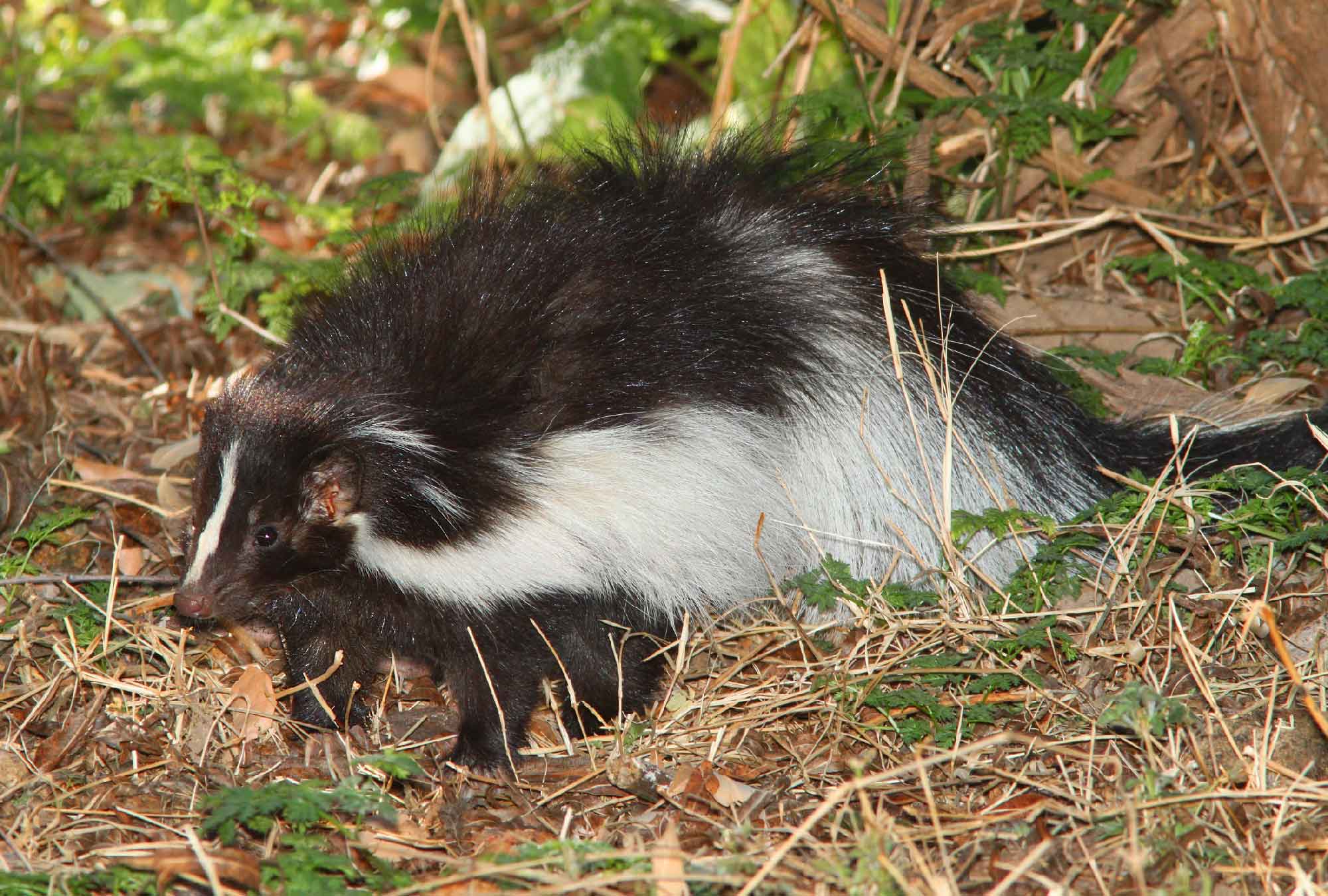
The Essential Role of Skunks in Our Ecosystem Biology Diagrams
Food Webs & Chains of a Deciduous Forest.Consumer Insects - A food chain shows the connections between living things in a particular habitat, such as the deciduous forest. On a food chain chart, a straight line leads from the most numerous, most-eaten organisms to the largest organisms with no natural predators. Skunks are nocturnal mammals notorious for their unbearable smell. But what role do they play in the ecosystem? They are often perceived as a nuisance, particularly when they reside in our yards or under our homes. However, they serve a crucial role in maintaining a balanced ecosystem. They make up an essential part of the food chain.
